


In the recent past, most people debated brewery consolidation from the stand point that it is one of two things: Either a mega-brewer like AB or Duvel bought smaller breweries and basically just ran them as show ponies for their claim to be – in AB’s own words – “a friend to brewers everywhere!“, or some larger and more successful craft Indie snapping up failing smaller operations as a means of expansion. The former was, of course, odious to anyone who cares about the health of American independent brewing, while the latter, while somewhat more palatable, was promoting the seeds of another way for breweries to tank and bail while not becoming blatant sell-outs.
I can’t claim to be happy about either, honestly. I’ve taken a LOT of swings at AB/InBev (or whatever they’re calling themselves this week) in these pages but I’m no less uncomfortable with watching tiny, newer breweries get gobbled up by their Big Brothers. Another identity is lost, either way. Either the AB acquisition gets a HUGE asterisk, such as the honest versions of the acquisitions’ current names (Elysian Brewing is really “AB Seattle”, Goose Island = “ABChicago”, etc.) or they get folded into their new craft owner’s name and realm and gradually fade into the buyer’s aesthetic.
The sad aspect of this dynamic is that consolidation happens for a LOT of reasons which have absolutely NOTHING to do with beer. Covid precipitated an economic rut that many breweries struggled to pull out of, some even years after the quarantine was over. Rising costs continue to bust businesses daily, in all business categories. A changing paradigm for what constitutes engagement with your local/regional breweries meant that it is now no longer enough for a some aspiring brewer to build out a facility, make a taproom, and – as was the norm in the Good Ol’ Days – and simply open the doors and let rumor lead customers to find you. Breweries now find it necessary to engage a food truck roster, schedule events on a regular enough basis that their market, looking for entertainment options, routinely checks in on brewery events like social club meetings, classes in things like pottery painting and drawing and even writing, book clubs, live music, and open mic nights. The Astoria, Oregon, behemoth, Fort George Brewing, is a virtual community center for its hometown and county, hosting lectures ad tastings and classes…in short, just pouring your own beer is not enough, anymore, for better or for worse. MANY small brewers can’t handle the increasing diversification of effort. And they can’t hire event coordinators. So, they take a few tepid swings at engagement and finally close the doors.
BUT…what it there was another way to approach consolidation? What if, instead of slapping makeup on your brewery and hoping for suitors, YOU took control of consolidation, in a way that would let YOU keep a hand on your own tiller?
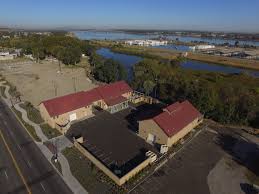
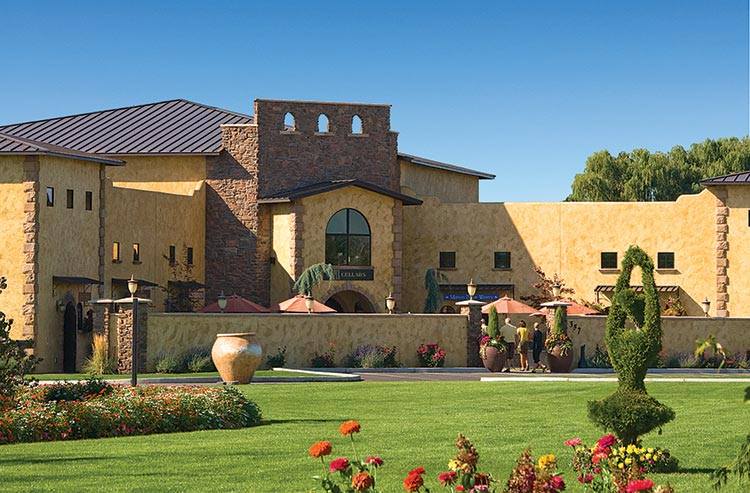
What I’m proposing is NOT a new idea. I didn’t invent the concept. It exists in the wine business already and rather a lot. Examples close to where I sit now include the Winemaker’s Loft in Prosser, Washington, The Columbia Gardens Wine and Artisan Village in Kennewick, Washington, and The Winemakers’ Studio in Carlton Oregon. These are facilities in which small and less-established producers share spaces – production, tasting rooms, retail shop space, and storage – and share staff and expenses. In the wine biz, as you can see from the photos, the facilities have to be more upscale to compete in the insanely lifestyle-conscious wine culture. In beer, with its long and perversely proud tradition of warehouses, repurposed old industrial buildings, office parks, and basically any space that will hold enough equipment, the decor and maintenance of the place is a far smaller shared cost.
These wine collectives represent new destinations for wine lovers. YES, they DO have to be in places where a wine or beer culture has a significant toe-hold but for the purposes of what I’m suggesting here, they will encourage a bit of travel to visit, and the visits will routinely be of longer duration. Older cities are great for this idea, as in my own ‘hood, Tacoma, WA, an old shipping and railroad and fishing town with a ton of abandoned or underused buildings.
Let me cut to the chase: those brewers who close the doors and find they’re relieved that they’re no longer brewing, good on ya. Mazel tov and best of luck on turning that page in your lives. But those who had a brewery fall out from under them, either from rising costs or Covid or an over-ambitious landlord who fancies his creaking old freight depot or lube shop prime bait for a shopping mall developer, are the folks I’m talking to here.

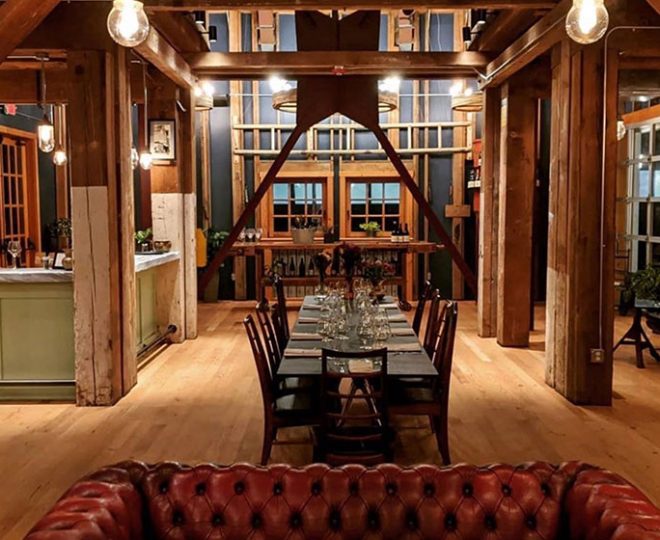
BREWERY COLLECTIVES, along the same idea as the winemakers’ facilities but a LOT more down-home. The idea is a leased facility, with a purchase option down the road, with enough space to build out several – 3, 5, or more – small Indie breweries in a building that’s not bait for developers and large enough to accommodate storage, offices, brewery operations, and a shared taproom with kiosks for each brewery. A facility large enough could also sub-lease a small space for an on-site food operation or an outdoor food truck court. The basic requirements are just that: basic. Enough parking for maybe 50+ cars, REASONABLE location which can be found without a sherpa and bloodhounds, enough interior space that’s partitionable and expandable. Sufficient electrical supply and water/sewer plumbing. Older buildings WILL need upgrades to satisfy codes, so those costs may rule out some buildings. But a truly shared facility in which no one brewery is dominant and in which everybody knows and is comfortable with everybody else, at very least among the principals. Without the idea and building of Community, this will NOT work. There SHOULD be a sign posted about the doorway from the day construction begins…
A Rising Tide Floats All Boats.
Because that is the core principle of this concept. As the breweries grow and word spreads, every brewery MUST be concerned with the welfare of the slowest and be willing to share expertise and even some effort. One reasonable and helpful shared expense could be a shared staff of assistants who are available to each brewery. Individual brewers will, of course, retain their own staffs but available hands at frantic moments can be invaluable.
While I make no claim and knowing how brewery materials are purchased, I have to assume that grain and yeast and hops producers and glass or canning suppliers look more kindly and cut price breaks more readily for Sam Adams than for your local nano-brewery. Combined purchasing power on core items may be another way to reduce expenses.
Just in the past six months, I’ve seen several of the breweries which meant the most to me go under. Airways Brewing in Kent, WA, and the cherished Slippery Pig Brewing of Poulsbo, WA, have closed their doors. Extend that back a while and this area is now without Hair of The Dog, Two Beers, Geaux Brewing Schooner Exact, Bellingham’s legendary Boundary Bay Brewing is no more by the end of 2025…and the list goes on. For those brewers who do NOT want to hang it up, this idea may well be a viable means of continuing the brand at a lower-impact scale. It still offers an opportunity for growth and opens up some new and interesting ideas for future projects. Larry Sidor, Alan Sprints, Bob Sylvester, and dozens of more virtual Hall of Fame brewers are retired. Could such a collective be a way for those luminaries to do the occasional collaboration and create waves for all concerned?
It stabs me in my soul to watch brewers whom I have known and respected for, some of them, decades get driven under by circumstances against which they had no reasonable shot. These names will mean nothing to many of you but a Northwest brewers collective which included Jeremy Hubble, Alex Ditmar, Dave Lambert, Joel Stickney, Ron Gansburg, and Players to Be Named Later would be a smaller-scale Dream Team of skills and ideas.
What I hope to accomplish here is just a conversation starter. This idea is CERTAINLY doable and would be a great bail-out measure for brewers struggling to make the monthly nut in their own facility and feeling isolated by the effort.
Anyone with further questions can contact me at thepourfool@gmail.com and I will be happy to reply!

 The Pour Fool